
The householder application, reference 26/01326/GPDE, proposed a single-storey rear extension in Leigh-on-Sea, with a height of 3m to the eaves and a maximum height of 3.3m. It was received and validated by the council on 9 October 2026.
Southend-on-Sea Council’s planning register gives the decision as “Prior Approval Refused COU”, dated 3 November 2026. Its summary also retains the status “Registered”, so the decision field, rather than that status label, is the clearest indication of the recorded outcome.
What was proposed at the Leigh-on-Sea home?
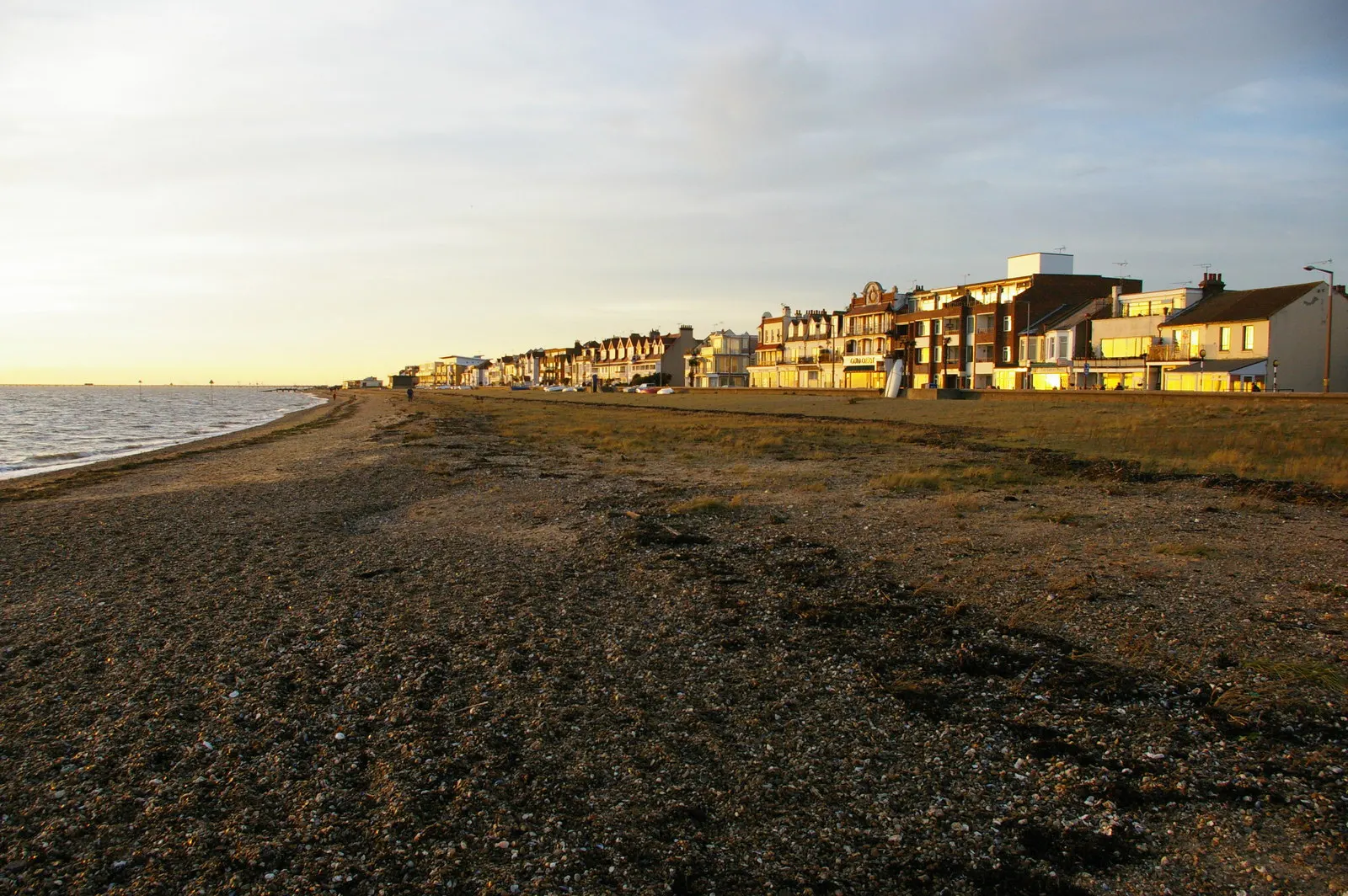
The plans described an extension projecting 5.98m beyond the dwelling’s existing rear wall. It would be single storey, 3m high at the eaves and no more than 3.3m high overall. The site is in Leigh ward, in the Cliffsea Grove area of Leigh-on-Sea.
The application type is listed as “General Permitted Dev (Extensions)”, with the decision level recorded as Schedule 1. This is not the same as a standard full planning application: the council was considering a larger rear extension under the permitted development prior-approval process. The refusal means this proposal has not secured approval through that route.
Why does a larger rear extension need prior approval?
Planning Portal guidance says a single-storey rear extension can usually extend no more than four metres beyond the original rear wall of a detached house, or three metres for other houses, without using the larger-extension prior-approval process. Where the relevant rules apply, the limits can increase to eight metres for a detached house or six metres for another house, subject to prior approval.
The proposed projection of 5.98m is within the six-metre limit described for the larger-extension process for a house that is not detached. The same guidance sets a maximum height of four metres for single-storey rear extensions. Those general limits do not establish that a particular proposal qualifies: other conditions, including the site’s circumstances and any restrictions on permitted development rights, can matter. The council’s refusal is the outcome for this application; the summary does not explain its reasons.
What does the council decision mean for the proposed extension?
The recorded refusal is not planning permission to build the extension. The proposal has not received the prior approval sought under the larger home-extension procedure. Anyone considering work at the property should check the council’s decision notice and obtain advice on whether a revised proposal or a full planning application would be needed.
The register summary does not give an appeal status or set out the council’s reasoning. It also does not establish whether the applicant will make another application. A separate proposal associated with the same site is listed by PlanIndex as reference 26/01333/FULH; its description concerns roof alterations and loft accommodation, rather than the rear extension. It is a distinct planning matter and does not change the outcome recorded for 26/01326/GPDE.
How can residents check the planning application?
Residents can search Southend-on-Sea Council’s planning register using reference 26/01326/GPDE to inspect the application documents and decision notice. The notice is the appropriate place to check the formal reasons for refusal, which are not included in the summary details reported here.
Because the register gives a decision date of 3 November 2026, this is not simply an application shown as awaiting a decision. Anyone seeking clarification about the outcome or the status label can contact the council’s planning service and quote the reference. The register should also be checked for any later application or appeal information before drawing conclusions about what may happen next.
Questions and answers
Was the Cliffsea Grove rear extension approved?
No. Southend-on-Sea Council’s register records “Prior Approval Refused COU” on 3 November 2026 for application 26/01326/GPDE.
How far would the proposed Leigh-on-Sea extension project?
The proposed single-storey rear extension would project 5.98m beyond the dwelling’s existing rear wall. It was described as 3m high to the eaves and 3.3m at its maximum height.
Where can I read the council’s reasons for refusing the application?
Search Southend-on-Sea Council’s planning register for reference 26/01326/GPDE and consult the decision notice. The summary does not state the reasons for refusal.
Can the homeowner still build the extension?
The proposal has not secured approval through the prior-approval route. Whether a changed scheme or a full planning application could proceed depends on the circumstances, so the council’s decision notice and planning service should be consulted.